Be not rash with thy mouth, and let not thine heart be hasty to utter any thing before God: for God is in heaven, and thou upon earth: therefore let thy words be few. For a dream cometh through the multitude of business; and a fool's voice is known by multitude of words. Ecc 5:2-3
Reverence is essential to all true worship. It is the proper attitude of man before the Supreme. In order to secure the spirit of reverence, we must attend to certain rules of duty in worship.
1. Be careful in the employment of words. Rash and hasty words are here forbidden. This is not meant to check devotion, or to cool the ardor of the soul by some formal and severe requirement. It is opposed:
2. Have a proper sense of the majesty of the object of worship. We have to remember that God dwells in unapproachable glory, far beyond the reaches of our mind; and that we are upon the earth—the scene of ignorance, error, sin, and want. With such a conviction, the language we utter before high heaven will be marked by brevity of expression. A sense of reverence will impose on us a solemn reserve. The employment of few and careful words most befits the sacred act of worship.
3. Have a proper sense of the evil of careless speech in devotion. It has a bad effect upon the soul. The language degenerates into weakness and twaddle. Devotion becomes a mere babble of words involving no serious effort of intellect or heart. As dreams often arise from the perplexing cares and business of the day—these, in a confused manner, presenting themselves in sleep—so the multitude of words, though uttered not without some carefulness at first, at length degenerates into confusion and unreality. [Preacher's Homiletical]
The outline above of these verses, can be discerned in the teachings of Jesus in the Sermon on the Mount. It gives us a clear picture of what is meant in the verses in Ecclesiastes. Let's take a look at what Jesus has to say about prayer-both public and private.
1. Be careful in the employment of words. Rash and hasty words are here forbidden. This is not meant to check devotion, or to cool the ardor of the soul by some formal and severe requirement. It is opposed:
- To empty words. These are uttered without solemn reflection—empty phrases, possessing but little meaning for the worshipper. They are mere words, spoken without due consideration—“rash.”
- To superficial words. They do not proceed from the inner depths of the soul. They are quickly uttered, and in any required number, as involving no expense of thought or feeling. Words that are not winged by the soul’s desire cannot rise to heaven.
- To all useless repetitions. It is not a fatal defect in prayer that it is marked by some repetition, for the soul may love to linger upon a thought to make her desire more emphatic, or to express intense emotion. The habit censured is the regarding mere words as possessing merit—that their multitude can atone for sin, and make compromise for the high demands of duty.
2. Have a proper sense of the majesty of the object of worship. We have to remember that God dwells in unapproachable glory, far beyond the reaches of our mind; and that we are upon the earth—the scene of ignorance, error, sin, and want. With such a conviction, the language we utter before high heaven will be marked by brevity of expression. A sense of reverence will impose on us a solemn reserve. The employment of few and careful words most befits the sacred act of worship.
- Because this is the method of true passion. The most powerful feelings discharge themselves in few, simple, and direct expressions. True passion disdains the long array of words.
- Because it suits the nature of the duty. The silent awe and admiration proper to worship must not lose their effect through the intrusion of the multitude of words. When in the presence of a Superior Being, reserve and caution are the most commendable qualities of speech.
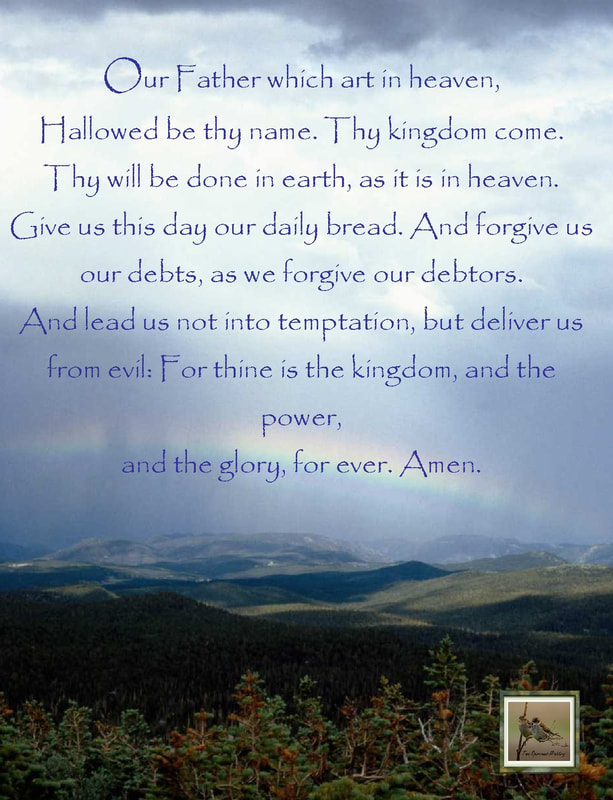
- Because it is agreeable to the best examples. The prayers recorded in the Bible are brief, and expressed in words of simple majesty. The Lord’s Prayer is marked by fulness in little compass.
3. Have a proper sense of the evil of careless speech in devotion. It has a bad effect upon the soul. The language degenerates into weakness and twaddle. Devotion becomes a mere babble of words involving no serious effort of intellect or heart. As dreams often arise from the perplexing cares and business of the day—these, in a confused manner, presenting themselves in sleep—so the multitude of words, though uttered not without some carefulness at first, at length degenerates into confusion and unreality. [Preacher's Homiletical]
The outline above of these verses, can be discerned in the teachings of Jesus in the Sermon on the Mount. It gives us a clear picture of what is meant in the verses in Ecclesiastes. Let's take a look at what Jesus has to say about prayer-both public and private.
Jesus Teaches on Prayer
And when thou prayest, thou shalt not be as the hypocrites are: for they love to pray standing in the synagogues and in the corners of the streets, that they may be seen of men. Verily I say unto you, They have their reward. But thou, when thou prayest, enter into thy closet, and when thou hast shut thy door, pray to thy Father which is in secret; and thy Father which seeth in secret shall reward thee openly. But when ye pray, use not vain repetitions, as the heathen do: for they think that they shall be heard for their much speaking. Be not ye therefore like unto them: for your Father knoweth what things ye have need of, before ye ask him. Mat 6:5-8
In these verses you can learn all you need to, in order to have a meaningful relationship with God. Jesus lays it out in clear and simple terms, that anybody can understand, even a child. But, sadly, many times leaders and ministers show they do not believe or practice Jesus' example. Instead we see staged events, prayers that come in the form of a demand. The object of their prayers may not be bad in themselves, but the motives for what they're asking is wrong, and reveals the intentions of their hearts.
I've watched preachers and bible teacher's strut back and forth on platforms, bragging and boasting of the things God has done for them, and prayers that have been answered. The desires of their hearts are to fulfil their lusts, and greed. I've been so disgusted with their behavior, I've gotten up, and walked out of the conference or church, and left. David Wilkerson has spoken of doing the same thing.
Today, many TV, Youtube, and internet preachers', and prophets are very slick, and know how to gain an audience and keep them coming to their platforms. But, the majority of people who listen to them, do not listen close enough to what they are actually saying, and check it out with the word of God. The level of deception in the world now is just as Jesus said it would be-even the elect can be deceived. I will tell you this about a prophet-if they are spewing out "God told me" or "God showed me" in a dream just about every day, or every week, they are lying to you. Pick up your bibles and do a study on the prophets in the Old Testament-and how many times it's recorded God spoke to them. For example- it was years between the times God spoke to Abraham, as when he gave him the promise of a son, even in his old age. This was the case for Isaiah, Jeremiah and the other's. Many of them suffered greatly and were killed for their courage to speak what God gave them. They only spoke as the Spirit of God moved them, and they were willing to pay the cost for it. John the Baptist was a prophet, Jesus said there was none greater, but he never gave a foretelling prophecy, or a dream or vision. He proclaimed the coming Messiah, who was Jesus Christ, and ushered him in to the world. His steadfast stand for righteousness, cost him his life. In prison, John's one question before he died was sent to Jesus-
Mat 11:3 And said unto him, Art thou he that should come, or do we look for another?
I've often thought as I read this- "John didn't ask Jesus to try to spare his life, he only asked if he had been correct, in proclaiming Jesus as the Messiah. He didn't ask Jesus to defend him." How many prophets today would have this level of courage, and conviction.
As Jesus sat and described how to detect the hypocrites who desire to be seen, and go to great lengths to be seen, does this not describe much of what we see today with the celebrities on their platforms? These are prophets for hire-and they know how to exploit other's, who they have targeted and spied on, and used other people's material for their own benefit. The subtlety and craft they use to generate their front of being the holy, chosen spiritual leaders has no limits now-with their spying devices, photo-shopped images, and technologies and tools they use to achieve their success.
If someone is truly called of God to be used in a prophetic ministry, they won't say anything, unless they've tested it, prayed about it, and are willing to say it, and then leave it alone. If it is of God, it will be revealed-it may take years to do so. What you've had to say, you'll have to be willing to take the rejection, and the unbelief; and not defend yourself. God is the only defense we have. If your truly called by God, you'll have no desire to gain recognition, or popularity. Your heart will convict you, if this temptation comes to you-and it will. Many who are successful and giving many dreams and visions today-are speaking from a mixture of both immaturity, and a desire for the adulation of people. This is Satan's greatest tools to trip up those who God may have called, but have allowed themselves to be corrupted. The only antidote for this deception is again, the word of God and getting on their knees with God. If we seek God with all of our hearts-we will find Him, and we will know His will and we will desire nothing else-whatever the cost.
If you do what Jesus says in verse 6- get in a room, a place alone, shut the door, close out the world, and pray to God there - between God and you. Seek Him alone, and pour out your heart and mind to Him. Be honest, be real, be sincere. No drama, no performance. Be yourself, look inside yourself and be honest with yourself and Him. This is where real prayer begins, and where the door of relationship starts between you, and your Creator. But, when you do, realize you are talking to the Sovereign God-realize this, and have a holy fear-honor and respect Him. When this is the pattern of your prayer to the Lord-it opens the door for answers and dialogue. His presence comes down, He reveals Himself to those who honor Him, and respect Him, for who He is.
When you talk to Him, remember, He is there, He is not deaf, don't repeat over and over the same request. You don't talk to anyone else like this-do you? I've had times when the Lord has answered me, while I was still speaking-and directing me in what to do. I've learned to trust Him, and do exactly what He shows and speaks to me. He has proven Himself over and over again to me. But, check your heart often, because even in this place it can be quickly taken by the devil and used to trip you up. Check your heart and motives, and stay wary of his devices. A few I'll mention- pride, competition, money; these are deadly temptations.
Entering into our closet, can also be done even in the midst of people around us-we go into our inner sanctuary, where the Holy Spirit dwells within us. Even with the bustle of activity, inner prayer can take place and specific directions given to us, in times of need. When we've made prayer and dialogue with God a pattern of our lives, relationship develops, and we become keener in sensing His guidance and direction "right in the moment" of a situation we need help in. I've experienced this over the years, and learned to desire this because God has shown me how much He desires to be involved in our daily activities and decisions. Over the years I've learned from believer's such as Brother Lawrence and Madam Guyon, the importance of practicing the presence of the Lord, in my daily life. The more we seek Him, the closer we will find Him, and very able to help us, in time of need.
As I've learned to desire this kind of relationship, and sought after Him, and studied Jesus' pattern of prayer, I've seen in scripture how Jesus would go to the mountains, the deserts and seek to be alone in prayer, all night. He longed to be with the Father, and fellowship with Him. The more I've served Him, the more I understand this of Him. It's become my desire also. God is the best company, anyone could ask for.
Jesus went on in verse 6 saying "pray to thy Father which is in secret; and thy Father which seeth in secret shall reward thee openly."
I've found his words to be truth. He's proven to me many times, He will reward his people, who trust Him and honor Him. I've had many glimpses of His love, and provision for me. In times of trouble, I may ask for some direct guidance to find a way to deal with it, but, I'll never blame Him, or murmur against Him. Whatever is allowed to come to me, has been for my learning, and a lesson.
As we journey through this life, we are given the freedom to choose our relationships, and those who we want to influence us. I've found the Lord Jesus Christ to be the greatest influence, and the greatest friend anyone could ask for. I've had other's over the years, who I miss, who are gone from this world now. But, Jesus remains, and His promises are true.
Personally, prayer to me, is talking to a friend, someone who knows me-better than I know myself, and yet, He still loves me. If you open the door to Him, He desires to be the same for you.
Lorna Couillard
I've watched preachers and bible teacher's strut back and forth on platforms, bragging and boasting of the things God has done for them, and prayers that have been answered. The desires of their hearts are to fulfil their lusts, and greed. I've been so disgusted with their behavior, I've gotten up, and walked out of the conference or church, and left. David Wilkerson has spoken of doing the same thing.
Today, many TV, Youtube, and internet preachers', and prophets are very slick, and know how to gain an audience and keep them coming to their platforms. But, the majority of people who listen to them, do not listen close enough to what they are actually saying, and check it out with the word of God. The level of deception in the world now is just as Jesus said it would be-even the elect can be deceived. I will tell you this about a prophet-if they are spewing out "God told me" or "God showed me" in a dream just about every day, or every week, they are lying to you. Pick up your bibles and do a study on the prophets in the Old Testament-and how many times it's recorded God spoke to them. For example- it was years between the times God spoke to Abraham, as when he gave him the promise of a son, even in his old age. This was the case for Isaiah, Jeremiah and the other's. Many of them suffered greatly and were killed for their courage to speak what God gave them. They only spoke as the Spirit of God moved them, and they were willing to pay the cost for it. John the Baptist was a prophet, Jesus said there was none greater, but he never gave a foretelling prophecy, or a dream or vision. He proclaimed the coming Messiah, who was Jesus Christ, and ushered him in to the world. His steadfast stand for righteousness, cost him his life. In prison, John's one question before he died was sent to Jesus-
Mat 11:3 And said unto him, Art thou he that should come, or do we look for another?
I've often thought as I read this- "John didn't ask Jesus to try to spare his life, he only asked if he had been correct, in proclaiming Jesus as the Messiah. He didn't ask Jesus to defend him." How many prophets today would have this level of courage, and conviction.
As Jesus sat and described how to detect the hypocrites who desire to be seen, and go to great lengths to be seen, does this not describe much of what we see today with the celebrities on their platforms? These are prophets for hire-and they know how to exploit other's, who they have targeted and spied on, and used other people's material for their own benefit. The subtlety and craft they use to generate their front of being the holy, chosen spiritual leaders has no limits now-with their spying devices, photo-shopped images, and technologies and tools they use to achieve their success.
If someone is truly called of God to be used in a prophetic ministry, they won't say anything, unless they've tested it, prayed about it, and are willing to say it, and then leave it alone. If it is of God, it will be revealed-it may take years to do so. What you've had to say, you'll have to be willing to take the rejection, and the unbelief; and not defend yourself. God is the only defense we have. If your truly called by God, you'll have no desire to gain recognition, or popularity. Your heart will convict you, if this temptation comes to you-and it will. Many who are successful and giving many dreams and visions today-are speaking from a mixture of both immaturity, and a desire for the adulation of people. This is Satan's greatest tools to trip up those who God may have called, but have allowed themselves to be corrupted. The only antidote for this deception is again, the word of God and getting on their knees with God. If we seek God with all of our hearts-we will find Him, and we will know His will and we will desire nothing else-whatever the cost.
If you do what Jesus says in verse 6- get in a room, a place alone, shut the door, close out the world, and pray to God there - between God and you. Seek Him alone, and pour out your heart and mind to Him. Be honest, be real, be sincere. No drama, no performance. Be yourself, look inside yourself and be honest with yourself and Him. This is where real prayer begins, and where the door of relationship starts between you, and your Creator. But, when you do, realize you are talking to the Sovereign God-realize this, and have a holy fear-honor and respect Him. When this is the pattern of your prayer to the Lord-it opens the door for answers and dialogue. His presence comes down, He reveals Himself to those who honor Him, and respect Him, for who He is.
When you talk to Him, remember, He is there, He is not deaf, don't repeat over and over the same request. You don't talk to anyone else like this-do you? I've had times when the Lord has answered me, while I was still speaking-and directing me in what to do. I've learned to trust Him, and do exactly what He shows and speaks to me. He has proven Himself over and over again to me. But, check your heart often, because even in this place it can be quickly taken by the devil and used to trip you up. Check your heart and motives, and stay wary of his devices. A few I'll mention- pride, competition, money; these are deadly temptations.
Entering into our closet, can also be done even in the midst of people around us-we go into our inner sanctuary, where the Holy Spirit dwells within us. Even with the bustle of activity, inner prayer can take place and specific directions given to us, in times of need. When we've made prayer and dialogue with God a pattern of our lives, relationship develops, and we become keener in sensing His guidance and direction "right in the moment" of a situation we need help in. I've experienced this over the years, and learned to desire this because God has shown me how much He desires to be involved in our daily activities and decisions. Over the years I've learned from believer's such as Brother Lawrence and Madam Guyon, the importance of practicing the presence of the Lord, in my daily life. The more we seek Him, the closer we will find Him, and very able to help us, in time of need.
As I've learned to desire this kind of relationship, and sought after Him, and studied Jesus' pattern of prayer, I've seen in scripture how Jesus would go to the mountains, the deserts and seek to be alone in prayer, all night. He longed to be with the Father, and fellowship with Him. The more I've served Him, the more I understand this of Him. It's become my desire also. God is the best company, anyone could ask for.
Jesus went on in verse 6 saying "pray to thy Father which is in secret; and thy Father which seeth in secret shall reward thee openly."
I've found his words to be truth. He's proven to me many times, He will reward his people, who trust Him and honor Him. I've had many glimpses of His love, and provision for me. In times of trouble, I may ask for some direct guidance to find a way to deal with it, but, I'll never blame Him, or murmur against Him. Whatever is allowed to come to me, has been for my learning, and a lesson.
As we journey through this life, we are given the freedom to choose our relationships, and those who we want to influence us. I've found the Lord Jesus Christ to be the greatest influence, and the greatest friend anyone could ask for. I've had other's over the years, who I miss, who are gone from this world now. But, Jesus remains, and His promises are true.
Personally, prayer to me, is talking to a friend, someone who knows me-better than I know myself, and yet, He still loves me. If you open the door to Him, He desires to be the same for you.
Lorna Couillard
 |  |